book your appointments on : 7496004163, 9991920720

vamanan
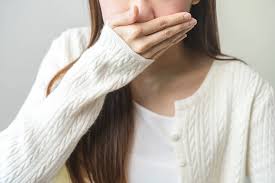
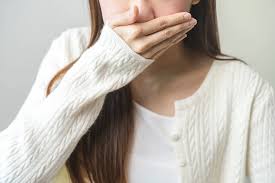
Vamana therapy is a specialized Ayurvedic detoxification procedure and one of the five primary treatments in Panchakarma. It involves controlled, therapeutic vomiting to expel excess Kapha dosha, which is believed to be the root cause of various diseases related to congestion, metabolism, and skin.
Purpose and Mechanism
Targeted Dosha: Primarily used to remove aggravated Kapha dosha from the stomach and respiratory tract.
Mechanism: It works by first accumulating toxins (Ama) in the stomach through preparatory procedures, then inducing vomiting to expel them.
Key Benefits: It is known to enhance digestion and metabolism, improve immunity, and provide relief from chronic congestion.
Key Indications (When it is used)
Vamana is recommended for diseases associated with Kapha imbalance, including:
Respiratory Issues: Chronic bronchitis, asthma, sinusitis, and persistent cough.
Skin Disorders: Psoriasis, eczema, acne, and urticaria.
Metabolic Issues: Obesity, diabetes, and high cholesterol.
Psychological Conditions: Mental stress, anxiety, and depression (Kapha-related).
The Vamana Procedure (3 Steps)
Vamana is a highly specialized process that must be performed under the supervision of a qualified Ayurvedic doctor.
Purva Karma (Preparation - 3 to 7 days):
Snehapana: Internal administration of medicated ghee or oil to loosen toxins.
Abhyanga & Swedana: External oil massage and steaming to mobilize toxins from deeper tissues to the stomach.
Diet: Consumption of Kapha-increasing foods (e.g., yogurt, black gram, sweets) to excite the dosha.
Pradhana Karma (Main Procedure):
Performed in the morning on an empty stomach.
The patient drinks a large quantity of a specific herbal concoction or decoction (often containing Madanaphala - Randia dumetorum) to induce vomiting.
Vomiting continues for a set number of bouts (4 to 8 times) until bile (Pitta) appears, indicating complete cleansing.
Paschat Karma (Post-Procedure):
Rest: Essential for recovery.
Samsarjana Krama: A specific, gradual diet reintroduction (rice gruel, lentil soup) to restore digestive fire (Agni).
Contraindications (Who should avoid it)
Vamana should not be performed on:
Pregnant women.
Children and the elderly.
Individuals with heart disease, high blood pressure, or ulcers.
Weak or debilitated people.
Those with severe dehydration or mental instability.
Potential Side Effects
When improperly administered, it can lead to dehydration, dizziness, fatigue, or a sore throat.
Note: It is highly advised not to attempt Vamana at home (e.g., Kunjala Kriya, which is different) without professional guidance.