book your appointments on : 7496004163, 9991920720
abhyanga
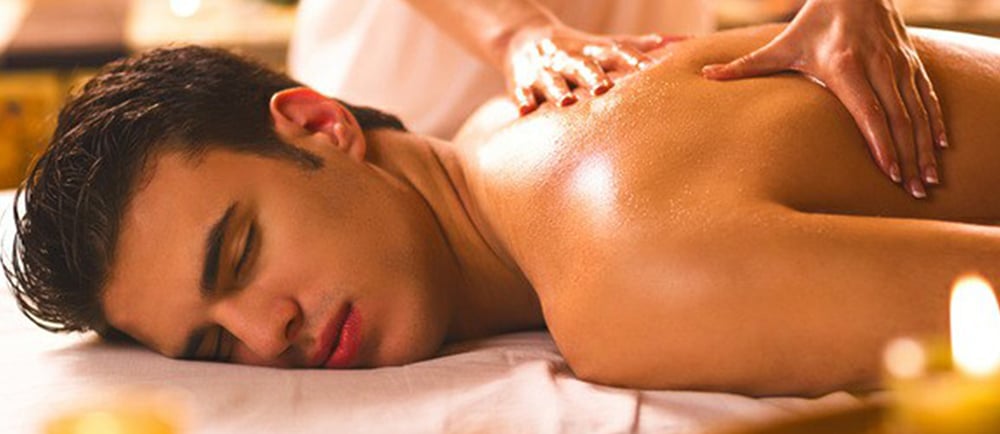
Abhyanga (pronounced ah-bhee-yang-ga) is a traditional Ayurvedic full-body massage using warm, herb-infused oils, applied from head to toe with long, rhythmic strokes to nourish tissues, calm the nervous system, improve circulation, and balance the body's doshas (energy types). It's a deeply grounding practice for relaxation, detoxification, and rejuvenation, considered a daily ritual for health, often done as self-massage but also by therapists, sometimes preceding Panchakarma cleansing.
Key Aspects of Abhyanga
Oil Selection:
Oils (often sesame-based) are chosen based on your specific dosha (Vata, Pitta, Kapha) or current imbalance, infused with herbs for targeted benefits.
Technique:
Warm oil is massaged into the skin with long, flowing strokes, stimulating energy channels and promoting deeper absorption.
Benefits:
Promotes relaxation, improves skin health, lubricates joints, aids detoxification, boosts circulation, and calms stress and anxiety.
Ritual:
It's a cornerstone of Dinacharya (daily Ayurvedic routine) for overall well-being, promoting balance and longevity.
How It Works (Ayurvedic View)
Nourishment: The warm oil penetrates deep into the Dhatus (body tissues).
Balancing Vata: It's especially effective for pacifying Vata dosha, which governs movement, dryness, and stiffness.
Detoxification: The massage helps bind to toxins, allowing them to be eliminated from the body.
How to Practice (Self-Massage)
Warm the Oil: Gently warm your chosen herbal oil.
Apply Generously: Massage oil all over your body, from head (scalp) to toes.
Use Rhythmic Strokes: Use long strokes on limbs and circular motions on joints and the abdomen.
Wait: Allow the oil to absorb for about 15-20 minutes.
Bathe: Rinse off with warm water or follow with a warm bath or steam (Svedana).